
Blog
Top 10 Coolest Swords Legendary Blades from History and Pop Culture

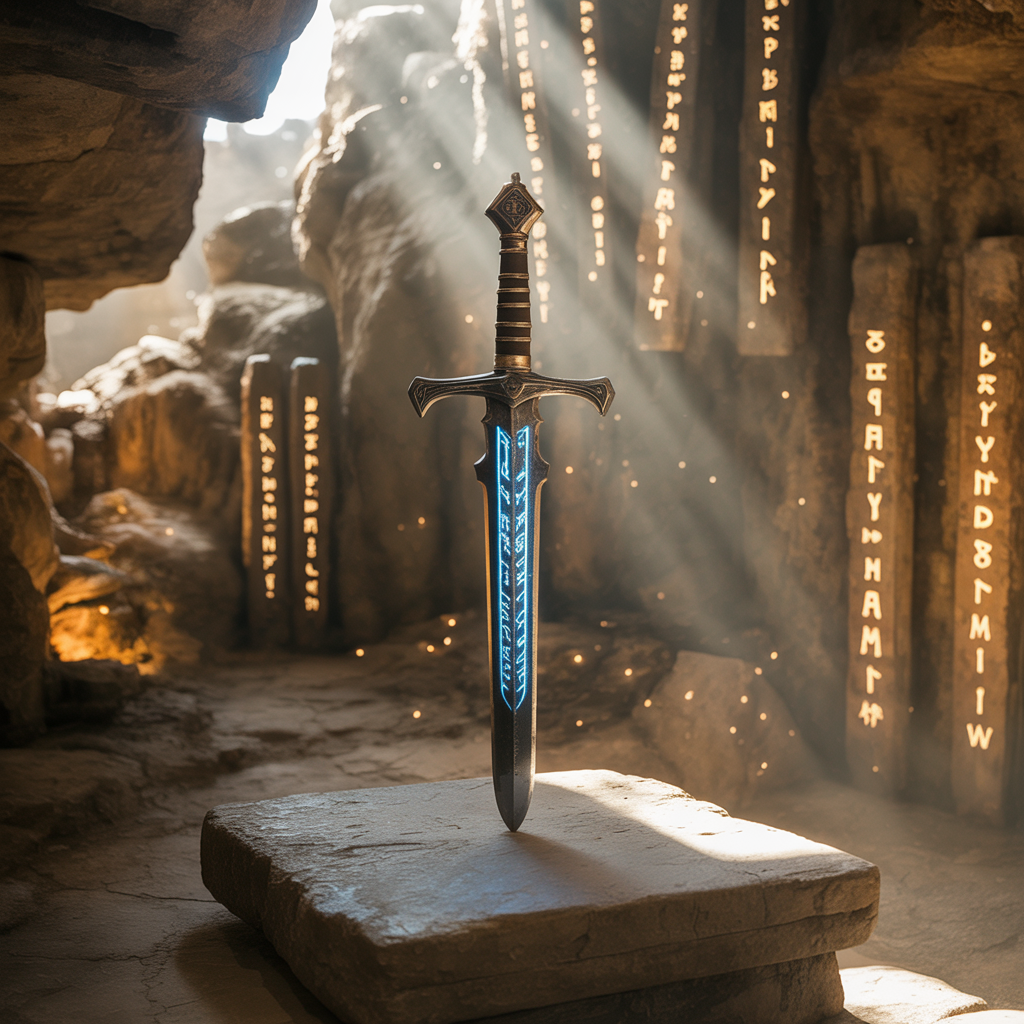
For thousands of years, swords have held a unique grip on human imagination. They represent far more than historical weaponry; these blades serve as enduring symbols of honor, triumphs of craftsmanship, and cultural icons connecting ancient warriors to modern cinema.
From the precisely layered steel of a Japanese Katana to the legendary mystique of Excalibur, these famous weapons reflect the societies that created them and the stories that keep them alive.
Historians, curators, and collectors view a well-crafted sword as a tangible work of art. Elements like the curve of the blade, the channel of the fuller, and the geometry of the hilt highlight generations of metallurgical progress. This guide breaks down ten of the most remarkable swords from historical records, myths, and modern media, examining their origins, structures, and lasting appeal for enthusiasts.
Table of Contents
- The Katana (Japan)
- The Ulfberht Sword (Scandinavia)
- Excalibur (Arthurian Legend)
- The Scottish Claymore (Scotland)
- The Damascus Scimitar (Middle East)
- The Zweihänder (Germany)
- The Roman Gladius (Ancient Rome)
- The Renaissance Rapier (Europe)
- Andúril / Narsil (Fantasy Literature)
- The Chinese Jian (Ancient China)
- Historical Comparison Table
- Sword Craftsmanship Through History
- Famous Swords in Popular Culture
- Frequently Asked Questions
1. The Katana (Japan)
History and Origin
The Katana stands as perhaps the most famous blade ever created. It grew to prominence during Japan’s Kamakura period (1185–1333), an era shaped in part by the Mongol invasion attempts, and eventually became the ultimate status symbol for the Samurai throughout the Muromachi and Edo eras.
Design and Distinctive Features
A slender profile, an elegant curve, and a protective handguard (tsuba) define the classic Katana. Artisans traditionally made these weapons from a specialized iron sand steel called tamahagane.
By applying a unique clay-coating method before cooling the metal, smiths gave the sword a razor-sharp edge and a resilient, flexible back. This process leaves a distinct, wavy temper line along the blade, known as the hamon.
Collector’s View: “The appeal of a Katana comes from its balance of engineering and art. It pairs precise metallurgy with the core philosophical values of feudal Japan.”
Cultural Significance & Pop Culture Appeal
Feudal Japanese culture treated the sword as the literal soul of the warrior who carried it. That reputation endures in global entertainment today. The blade features prominently in classic films like Akira Kurosawa’s Seven Samurai, modern hits like Kill Bill, and widely popular gaming and animation properties like Ghost of Tsushima and Demon Slayer.
Browse our full range of Katana swords and Samurai swords to bring this icon into your collection.
Fun Fact
Ancient Japanese smiths viewed their work as a sacred duty. They frequently performed purification rites, such as fasting and bathing in freezing water, before working on a high-grade blade

2. The Ulfberht Sword (Scandinavia)
History and Origin
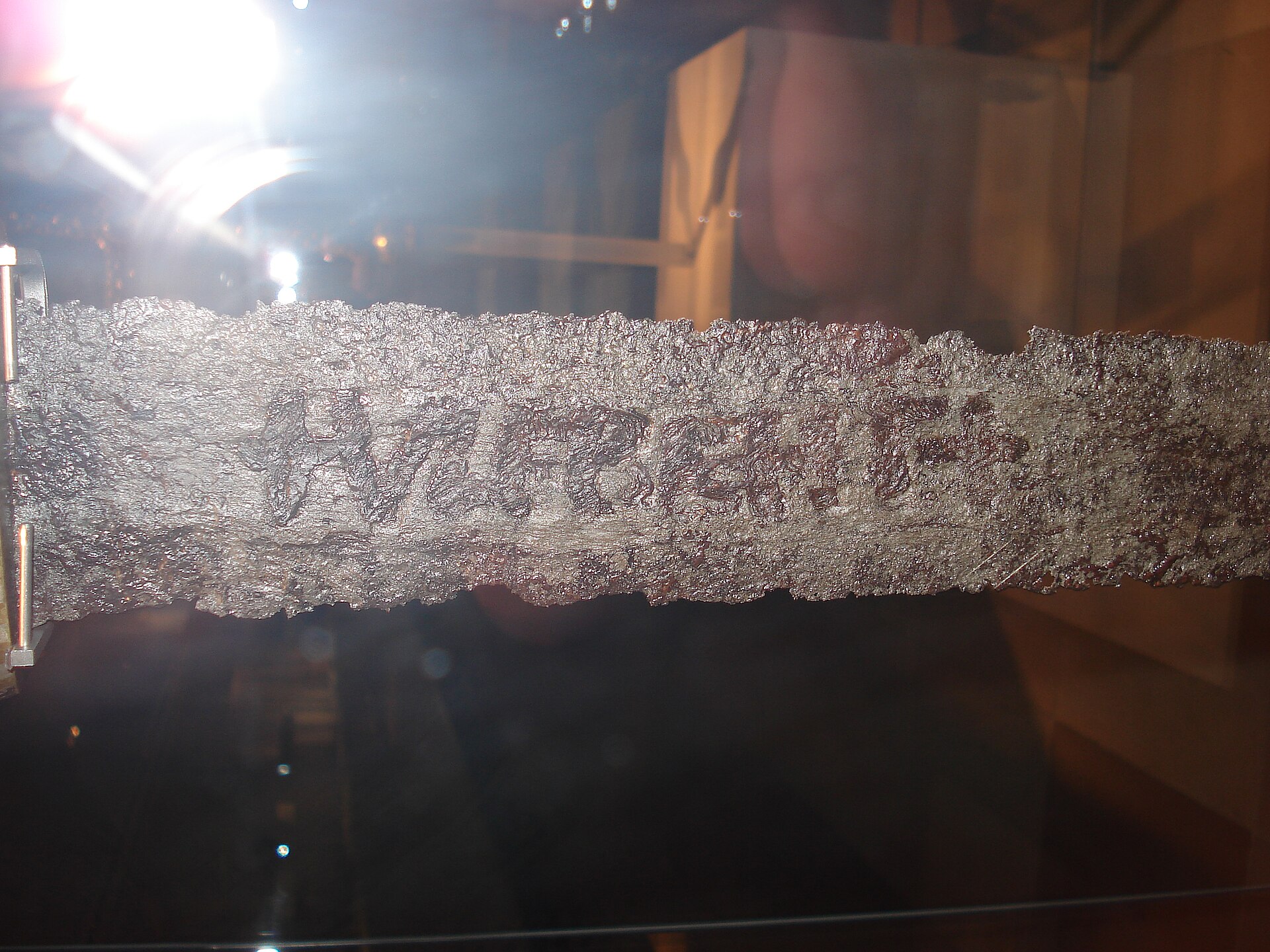
Archaeologists have discovered around 170 of these remarkable medieval weapons throughout Europe, dating from the 9th to the 11th centuries. They mark a high point in early European metallurgy and were wielded by elite warriors during the Viking Age. You can read more about the surviving finds in the Ulfberht swords overview on Wikipedia.
Design and Distinctive Features
The secret of the Ulfberht lies in its advanced metal composition. Centuries ahead of industrial manufacturing, the finest of these weapons used crucible steel, a purified alloy containing far more carbon than typical local iron weapons of the era.
Authentic examples feature the distinct name +VLFBERH+T forged directly into the metal face.
Cultural Significance & Pop Culture Appeal
Owning an Ulfberht signaled immense wealth and authority among Norse leaders. Because the superior steel rarely snapped when striking iron or wooden shields, these weapons inspired legends of enchanted blades in old Norse folklore. This historical legacy heavily influences television shows like Vikings.
Fans of Norse weaponry can also explore our Viking axes collection.
Fun Fact
The high cost and prestige of these weapons sparked a medieval black market. Blacksmiths of the era produced lower-quality counterfeits, often revealing themselves through small variations in the inlaid name, such as a misplaced cross in the spelling.
3. Excalibur (Arthurian Legend)
History and Origin
Though its home is in folklore and medieval literature rather than historical soil, Excalibur remains the world’s most famous mythical weapon. Early chronicles by Geoffrey of Monmouth introduced the weapon, which Thomas Malory later cemented into the fabric of British myth, binding it forever to stories of royal lineage and magic.
Design and Distinctive Features
Old stories describe the blade as glowing with the intensity of dozens of torches, dazzling anyone who stood against it. The legends also claim its sheath held a protective power even greater than the weapon itself, shielding King Arthur from losing blood during combat.
Cultural Significance & Pop Culture Appeal
Excalibur set the standard for every enchanted weapon in fantasy fiction. It embodies noble ideals, lawful rule, and the classic heroic journey. From the vibrant 1981 film Excalibur to television programs like Merlin, this blade remains the primary inspiration for magical weaponry in fiction.
See our dedicated King Arthur Excalibur swords range for screen-inspired reproductions.
Fun Fact
Modern retellings often mix up Excalibur with the weapon pulled from the stone. Traditional texts separate the two: the sword in the stone reveals Arthur’s right to rule, whereas the Lady of the Lake presents him with Excalibur later in his life.
4. The Scottish Claymore (Scotland)
History and Origin
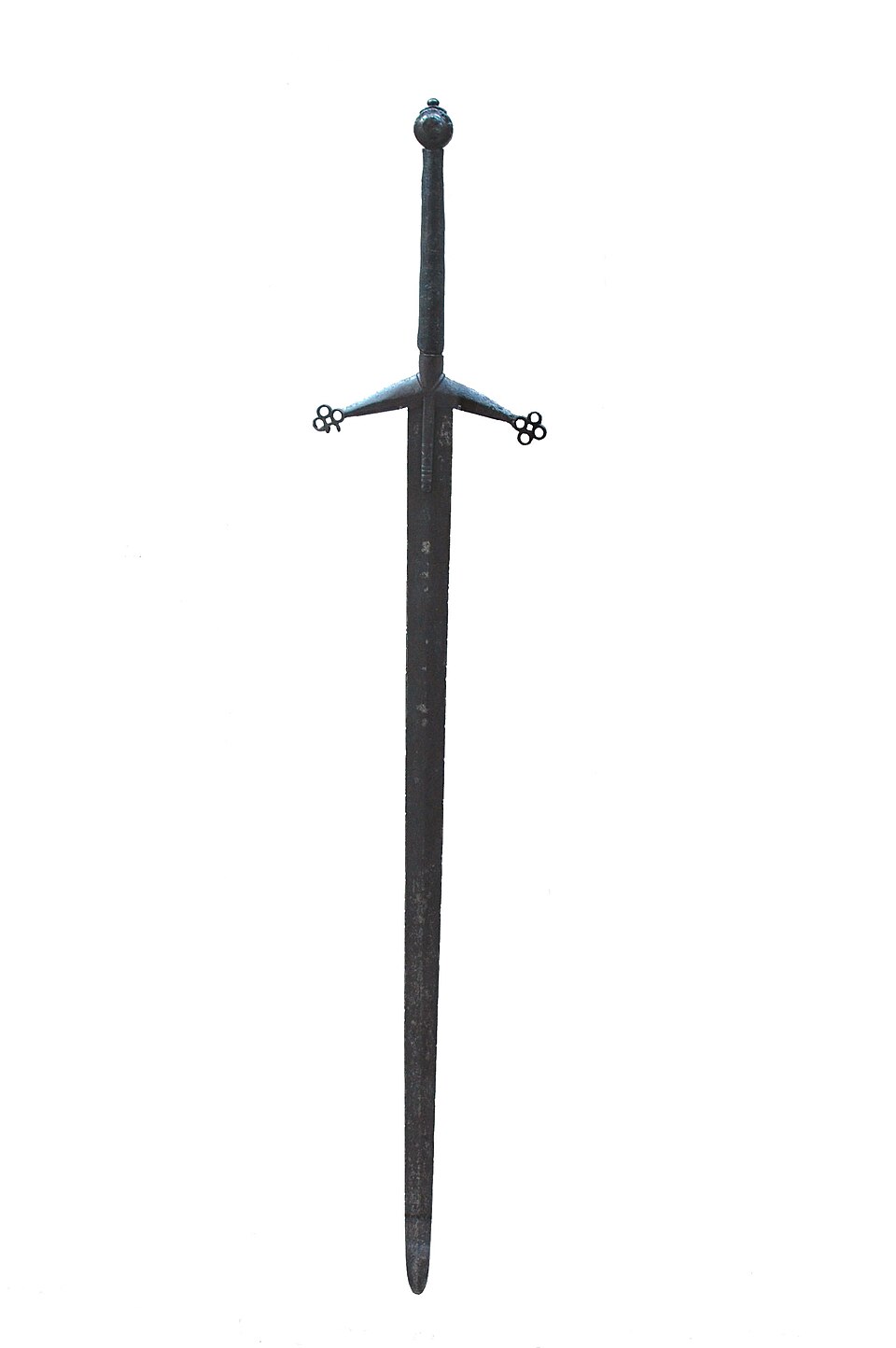
Taking its name from the Scottish Gaelic phrase claidheamh-mòr, which translates to “great sword,” this weapon defined Highland warfare between the 15th and 17th centuries. Clan members wielded these giant blades during intense territorial disputes and historical campaigns against English forces.
Surviving examples are held in major collections, including the National Museums Scotland and the Metropolitan Museum of Art.
Design and Distinctive Features
This massive two-handed weapon featured a long, straight, double-edged blade. Its most recognizable feature is a crossguard with arms that slope toward the point, ending in decorative, four-lobed clover patterns called quatrefoils.
Wielding this large weapon demanded considerable physical power and balance, turning it into a formidable tool on the battlefield.
Cultural Significance & Pop Culture Appeal
The Claymore stands as a lasting symbol of Scottish pride and independent identity. Often linked in popular memory with leaders like William Wallace, it frequently appears in cinematic dramas like Braveheart and popular fantasy role-playing games such as The Witcher 3.
Fun Fact
The meaning of the word changed over time. By the 18th century, military units used the term “Claymore” to refer to the basket-hilted broadswords carried by Scottish soldiers in the British military.
5. The Damascus Scimitar (Middle East)
History and Origin
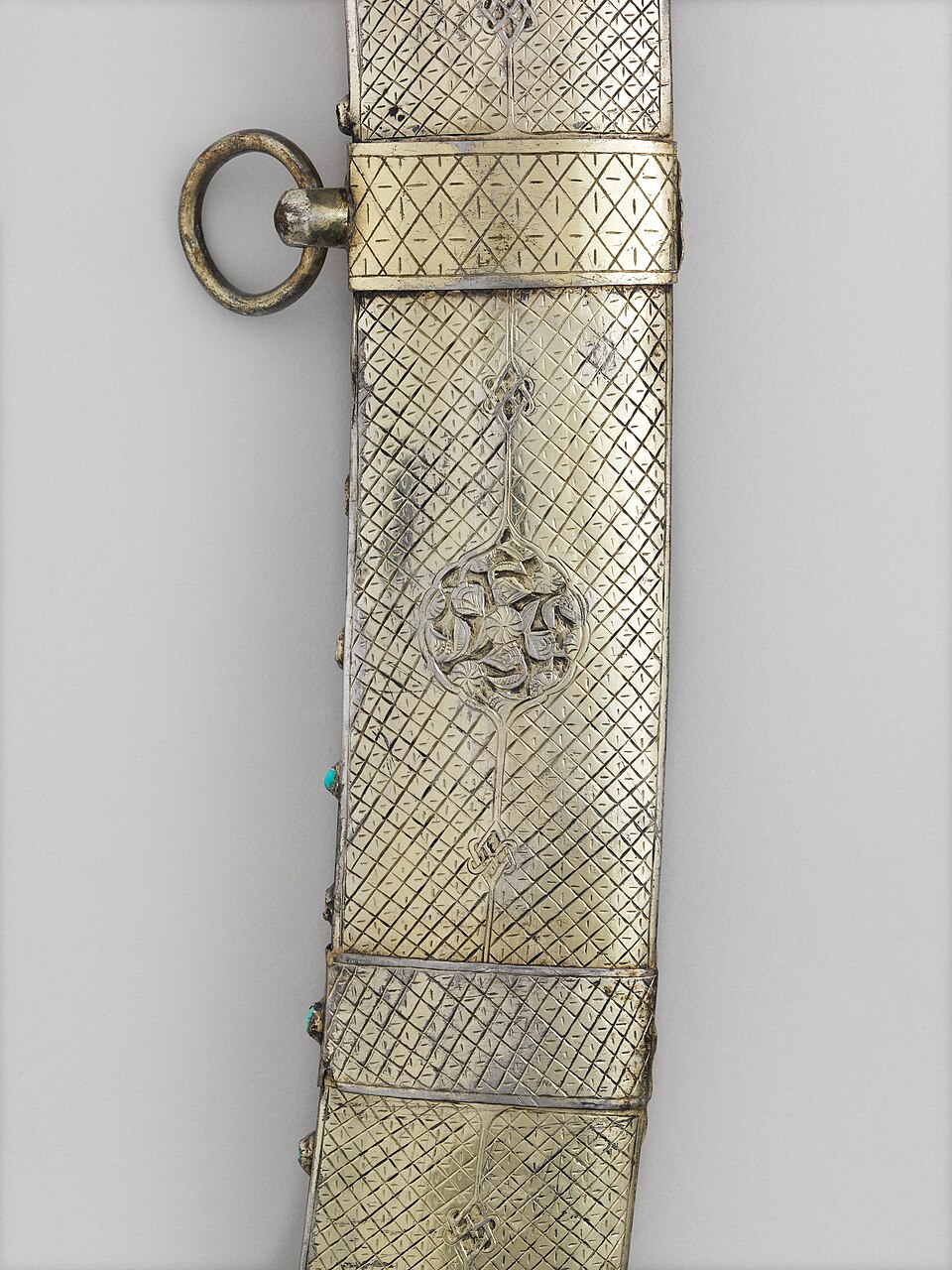
The label “scimitar” encompasses various single-edged, curved swords used across North Africa, Central Asia, and the Middle East, including the Persian shamshir. During the Crusades of the 11th through 13th centuries, European writers expressed amazement at the superior metalwork coming out of production centers like Damascus.
Design and Distinctive Features
An authentic Damascus scimitar features a pronounced curve and a distinctive swirling pattern reminiscent of flowing water. Craftsmen created these blades using imported Indian wootz steel ingots.
The combination of high carbon levels and trace elements like vanadium gave the edge remarkable sharpness alongside its visual appeal.
Cultural Significance & Pop Culture Appeal
This weapon represents the elite cavalry forces and metallurgical achievements of the Islamic Golden Age. Its curved shape makes it a popular choice for fictional heroes and adventurers, appearing in features like Disney’s Aladdin, the Prince of Persia series, and films focused on the leader Saladin.
Fun Fact
The precise method for producing original wootz steel vanished in the 1700s. Today’s “Damascus” items mimic the look by welding different metals together, leaving genuine ancient blades as highly prized museum artifacts.
6. The Zweihänder (Germany)
History and Origin
Appearing in Germany during the early 1500s, the Zweihänder represents the largest scale achieved by foot-soldier weaponry. Elite mercenary forces known as Landsknechts deployed them, particularly the front-line troops called Doppelsöldner, who earned double pay for taking on the most hazardous positions.
Design and Distinctive Features
Many of these giant weapons reached lengths of nearly six feet. They included a ricasso — a flat, unsharpened length of steel just above the crossguard — shielded by secondary guard hooks known as Parierhaken.
This feature allowed a fighter to grip higher up on the metal for better control in tight spaces.
Cultural Significance & Pop Culture Appeal
Its sheer size and unique Renaissance look make the Zweihänder a prized item among collectors of gigantic swords. The imposing presence of the weapon has also made it a favorite within dark fantasy games, serving as a memorable option in titles like Dark Souls and Elden Ring.
Fun Fact
Due to its specialized role and massive length, military authorities in the Holy Roman Empire did not classify the Zweihänder as a common sword, categorizing it instead alongside long polearms.

7. The Roman Gladius (Ancient Rome)
History and Origin
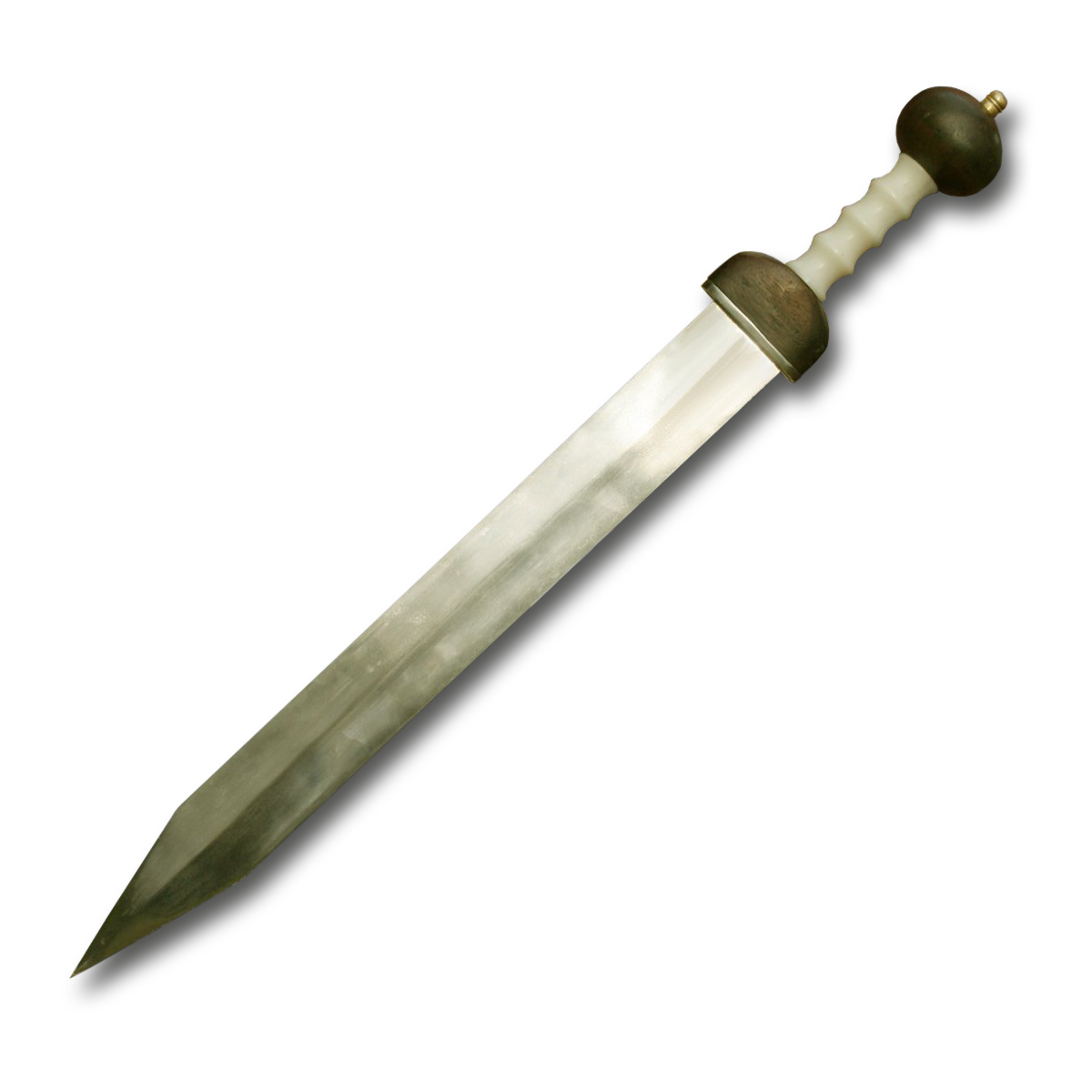
From the third century BCE to the third century CE, the Gladius served as the standard sidearm for Rome’s foot soldiers. Modeled after weapons discovered in the Iberian Peninsula, this compact blade became a foundation tool for building the Roman Empire.
Design and Distinctive Features
In contrast to the heavy greatswords of the middle ages, the Gladius kept a short, wide shape, usually measuring between 60 and 65 centimeters. It carried straight, tapering edges and a heavy ball pommel.
This weight distribution offered superb balance, allowing soldiers to make quick, targeted thrusts while remaining protected behind their large shields.
Cultural Significance & Pop Culture Appeal
This short sword reflects the organized, tactical nature of ancient Roman warfare. It remains highly popular with history buffs and reenactors, appearing frequently in ancient-world media like the movie Gladiator, the television series Rome, and diverse strategy games.
Fans of ancient warfare should also check our 300 Spartans replicas.
Fun Fact
The Latin term “Gladiator” translates directly as “the person who carries a gladius,” showing how closely connected the military weapon was to the arenas of Rome.
8. The Renaissance Rapier (Europe)
History and Origin
The appearance of the Rapier in late 16th-century Western Europe marked a major societal transition. As early firearms began making heavy plate armor useless on battlefields, upper-class citizens adopted this lighter, quicker blade for personal protection, private duels, and courtly fashion.
The Metropolitan Museum of Art notes that the rapier served as the principal civilian sidearm throughout the 16th and 17th centuries.
Design and Distinctive Features
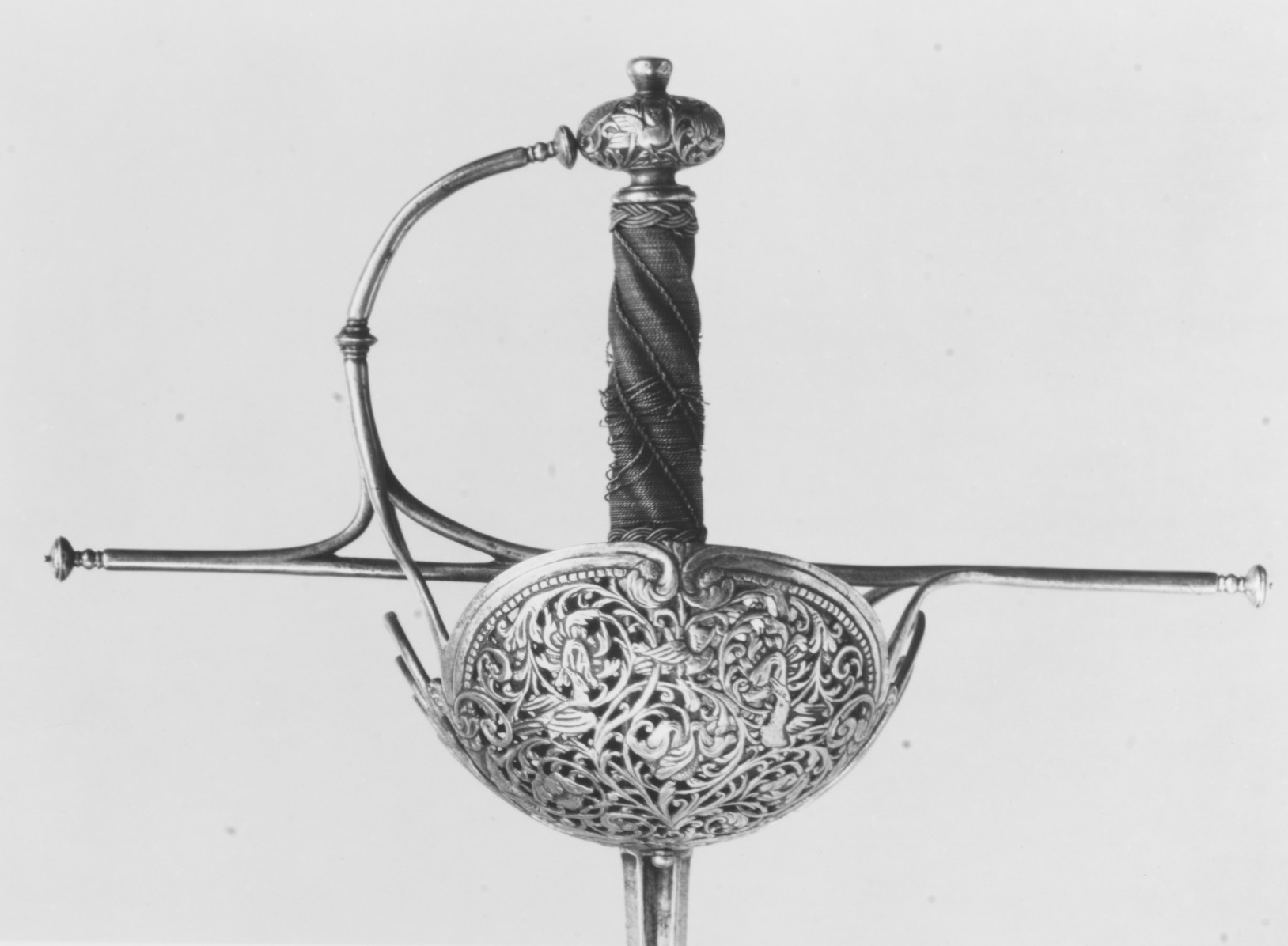
This weapon features a long, exceptionally narrow blade built primarily for thrusting. Its most striking element is the complex guard system, often called a swept-hilt or cup-hilt.
These structures formed an elaborate web of metal bars and rings that kept an unarmored hand safe while displaying the owner’s wealth and status.
Cultural Significance & Pop Culture Appeal
The Rapier brings to mind the era of formal duels and daring adventures. It features prominently in classic literature like Alexandre Dumas’ The Three Musketeers and the plays of William Shakespeare, as well as classic movie scenes like the duel in The Princess Bride.
Fun Fact
Renaissance municipalities closely regulated these weapons. In London during the reign of Elizabeth I, guards stationed at city gates used custom measuring tools to break off the points of any rapier that went over the legal length restriction.
9. Andúril / Narsil (Fantasy Literature)
History and Origin
Created by J.R.R. Tolkien for his Middle-earth lore, Narsil was originally crafted by a master Dwarven smith named Telchar. Broken during the war against Sauron, its remaining fragments were eventually remade into Andúril, the “Flame of the West,” serving as the primary token of Aragorn’s royal heritage.
Design and Distinctive Features
The film versions of The Lord of the Rings present Andúril as a majestic longsword designed for one or two hands. Elvish runes run along the blade’s central groove, declaring its history and identity as the heir of Elendil’s weapon. A clean, polished pommel and a classic crossguard frame these inscriptions.
Cultural Significance & Pop Culture Appeal
This weapon sits at the top of the fantasy replica collecting world. In literature, it functions as a potent symbol of renewal, hope, and restored leadership. Detailed, high-grade reproductions remain highly coveted showpieces for fantasy enthusiasts globally.
You can own this icon yourself: see our Andúril, Sword of Aragorn replica and the full Lord of the Rings swords collection.
Fun Fact
To ensure the weapon felt authentic on camera, swordsmith Peter Lyon crafted several fully functional models of Andúril from high-grade spring steel for the movie production team.
10. The Chinese Jian (Ancient China)
History and Origin
With a legacy reaching back more than 2,500 years, the Jian is a straight, double-edged weapon used throughout China’s dynastic eras. Culturally honored as “The Gentleman of All Weapons,” it occupies a special place in military tradition alongside the spear, staff, and single-edged saber.
Design and Distinctive Features
The beauty of the Jian lies in its clean layout. The narrow blade balances near the guard to allow for nimble, flowing motions.
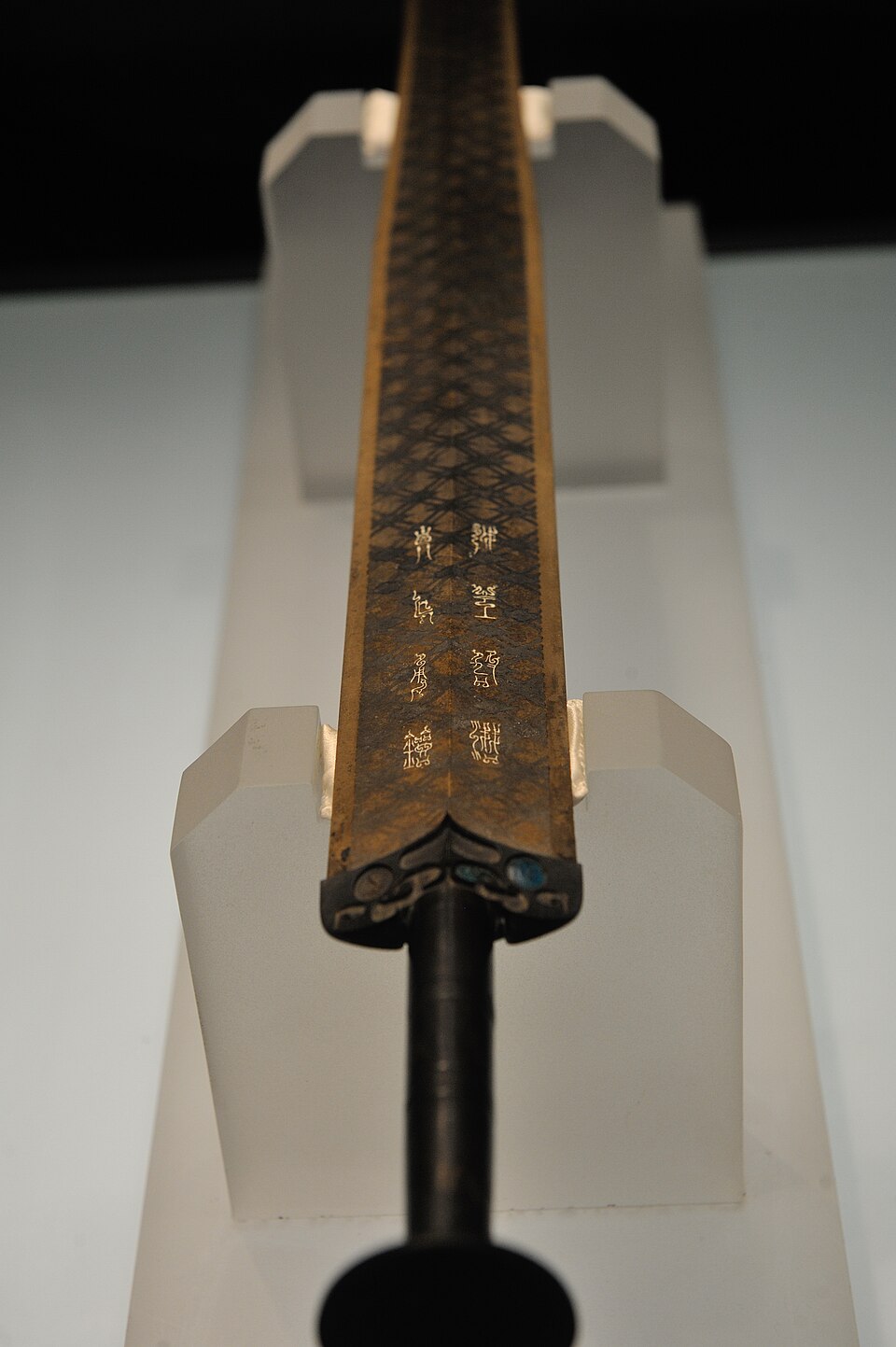
Historic, top-tier versions frequently include ornate cast bronze or jade mountings carved with images of mythical creatures or classical inscriptions.
Cultural Significance & Pop Culture Appeal
Traditional Chinese culture links the Jian directly to martial arts, philosophical ideals, and the educated elite class. It serves as a central element in Wuxia fiction and film, highlighted prominently in Ang Lee’s acclaimed movie Crouching Tiger, Hidden Dragon.
Fun Fact
In 1965, excavators discovered the Sword of Goujian, a bronze Jian over two millennia old. Thanks to an unusual alloy blend, the ancient artifact showed no rust and remained sharp enough to cut through multiple sheets of paper.
Historical Comparison Table
| Sword Name | Origin | Historical Period | Distinctive Features | Cultural Importance |
|---|---|---|---|---|
| Katana | Japan | Feudal Era (Kamakura–Edo) | Curved blade, hamon temper line | Considered the soul of the Samurai |
| Ulfberht | Scandinavia | Viking Age (9th–11th Century) | Crucible steel, +VLFBERH+T inlay | Elite Norse status symbol |
| Excalibur | Britain | Arthurian Mythos (Medieval Lit) | Blinding light, magical protective scabbard | Ultimate symbol of chivalric destiny |
| Claymore | Scotland | Late Medieval / Renaissance | Two-handed, quatrefoil crossguard | Icon of Highland clan identity |
| Scimitar | Middle East | Crusades / Islamic Golden Age | Deep curve, swirling Damascus pattern | Emblem of Eastern cavalry master craftsmanship |
| Zweihänder | Germany | Renaissance (16th Century) | Massive scale, parrying hooks on ricasso | Weapon of the elite Landsknecht mercenaries |
| Gladius | Ancient Rome | Classical Antiquity | Compact, broad thrusting blade | The tactical foundation of the Roman Empire |
| Rapier | Western Europe | Renaissance / Early Modern | Slender thrusting blade, complex swept hilt | Status symbol for civilian dueling and fashion |
| Andúril | Middle-earth | Third Age (Fantasy Literature) | Elvish runes engraved on the blade fuller | Symbol of rightful kingship and hope |
| Jian | China | Spring & Autumn Period to Modern Era | Straight, double-edged, minimalist guard | Reverently called “The Gentleman of All Weapons” |
Sword Craftsmanship Through History
The story of smithing reflects the evolution of human engineering. Early developments moving from copper and bronze to durable iron reshaped entire societies.
Even so, ancient makers faced a persistent technical problem: creating an edge hard enough to stay sharp without making the entire weapon too brittle to survive an impact. Varying regions developed clever, artistic answers to this problem:
- Differential Hardening: Japanese smiths spread customized clay blends across the blade before heating and quenching it. The exposed edge cooled quickly to create hard steel, while the insulated back portion cooled at a slower rate, keeping the metal pliable and shock-resistant.
- Pattern Welding: Celtic and early European smiths folded and twisted varying strands of high-carbon steel and soft iron together. Acid etching revealed intricate visual patterns while ensuring the combined materials distributed force evenly across the blade.
- Crucible Smelting: Found in ancient Indian wootz production, artisans heated iron bars inside closed clay containers with exact ratios of charcoal and foliage. This method allowed carbon to merge evenly with the iron, creating an exceptionally strong crystalline structure.
Famous Swords in Popular Culture
Modern fiction keeps the legacy of classical blades active. When writers and filmmakers need to show a hero’s status or supernatural fate, they frequently invent distinctive weapons.
These imaginative creations take inspiration from authentic history while incorporating spectacular design elements:
- The Master Sword (The Legend of Zelda): Known to players as the weapon of choice against dark forces, this design mixes the balanced lines of a traditional European longsword with a colorful purple grip and a wing-like guard. Explore our Legend of Zelda swords and shields.
- The Buster Sword (Final Fantasy VII): This enormous weapon pushes the idea of a German greatsword to a creative extreme. Its massive, wide silhouette established a recognizable style for giant swords within modern fantasy gaming. See our Final Fantasy swords collection.
- Glamdring and Sting (The Hobbit & Lord of the Rings): These items look like the balanced short swords of antiquity. They feature clean profiles enhanced by the mythical trait of glowing blue whenever enemies are near. Browse our Hobbit sword replicas.
Frequently Asked Questions
1. How does a functional sword differ from a decorative display piece?
Functional models feature high-carbon steel or Damascus steel that undergoes proper heat treatment. They include a full tang that runs completely through the grip handle.
Decorative options use stainless steel with weak, thin tang connections, making them safe only for mounting on a wall or using in costumes rather than striking objects.
2. Why is stainless steel avoided for full-sized historical replicas?
Stainless steel resists rust well but breaks easily when shaped into long items. When a large stainless steel blade hits a hard surface, it cannot bend to absorb the vibration, which often causes it to break apart dangerously.
The material works fine for short knives but fits only ornamental pieces in larger sizes.
3. What does the term “Full Tang” mean for sword collectors?
A full tang signifies that the steel of the blade continues as a single piece right through the interior of the handle. This build provides the highest level of strength, keeping the blade securely attached to the hilt.
It remains an essential indicator of quality for anyone seeking authentic historical reproductions.
4. What steps should I take to maintain a high-carbon steel collector sword?
High-carbon options require protection against moisture and corrosion. Avoid touching the steel with your fingers, as sweat oils cause dark spots.
Wipe the blade clean after display and apply a thin layer of specialized mineral oil or traditional oil every few months to protect it.
5. Which sword designs achieved the highest historical sharpness?
Historical records give that distinction to the Middle Eastern Damascus scimitar and the Japanese Katana. The Katana reached high sharpness through custom clay-hardening, which produces an incredibly rigid edge.
The scimitar relied on unique carbon distributions inherent in ancient wootz steel structures.
6. What purpose does the groove on a sword blade serve?
Often misnamed a “blood groove,” this channel is properly called a fuller. Its actual purpose is engineering-focused: it reduces the blade’s weight without compromising its stiffness.
This function mimics the action of an I-beam in architecture, allowing the weapon to remain fast and strong.
7. Is it legal to own collector sword replicas within Australia?
Regulations depend on your specific state or territory. Most parts of Australia permit residents to own swords for decoration, performance, or history collections.
However, certain regions enforce specific storage rules or registration mandates for specific items like Katanas, so checking local police rules is highly recommended.
8. Does modern “Damascus Steel” match the ancient material?
No, the original process for manufacturing Middle Eastern wootz steel disappeared in the late 1700s. Contemporary versions utilize pattern-welding, which stacks and folds distinct layers of steel together.
This technique mimics the beautiful, wavy look of the original historical items without using the lost process.
Explore the World of Exceptional Blades
If you appreciate the code of the Samurai, the maritime tradition of the Vikings, or the heroic themes of fantasy fiction, a well-made blade brings historical art into your personal space. High-grade replicas work beautifully as conversation pieces, educational tools, and impressive highlights for any display shelf.
Are you looking to add a new piece to your collection? Take a look at our galleries featuring movie replica swords, fantasy swords, and military swords. Visit the Oz Swords shop to view our available inventory and select your next item.